The Lapiplasty procedure is a modern approach designed to correct bunions at their source, restoring natural foot alignment in three dimensions.

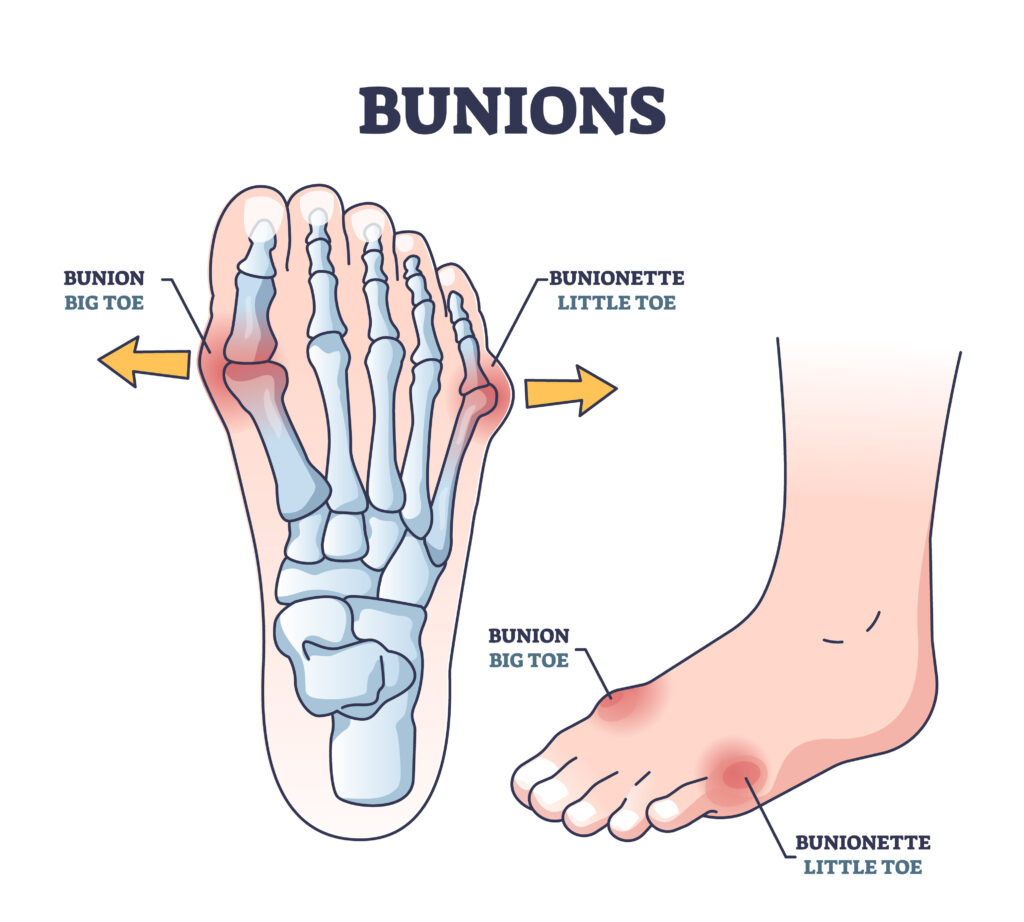
Bunions (hallux valgus) can make everyday steps uncomfortable. Modern minimally invasive bunion surgery realigns the big toe through tiny incisions, typically performed as an outpatient, same-day procedure. Many patients can take short, protected steps the same day as their surgery.
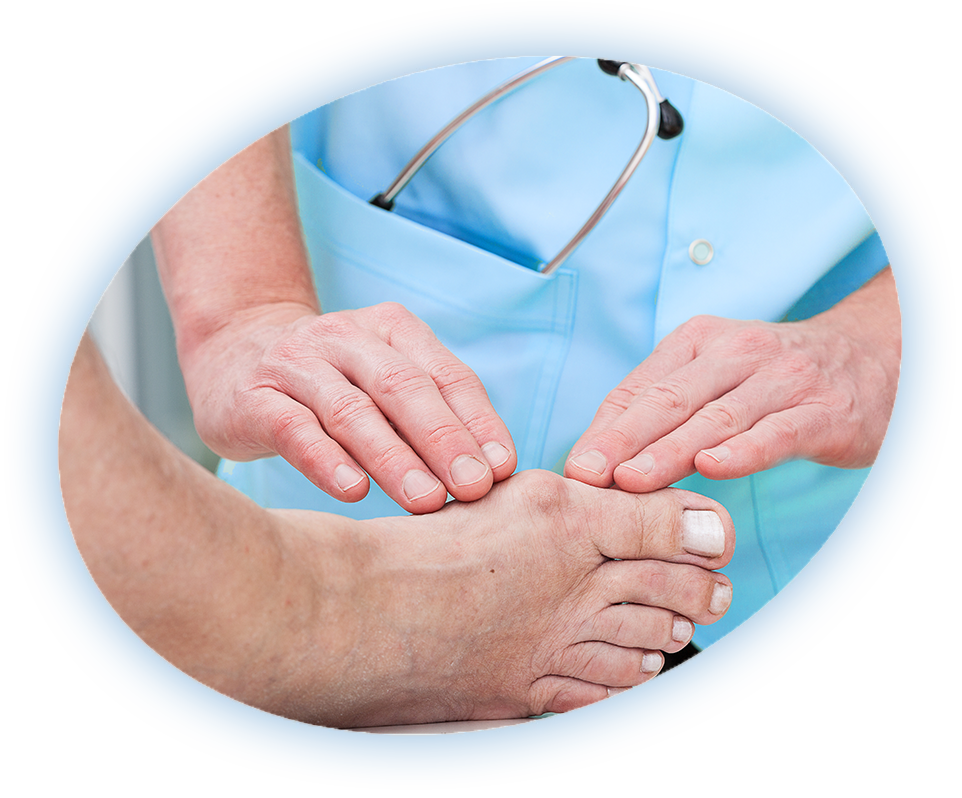
Through tiny 2–5 mm incisions, the surgeon reshapes and realigns the first metatarsal and big toe using specialized instruments under live X-ray guidance. Small screws hold the correction in place. Because soft tissues are disturbed less than with traditional open surgery, patients often experience less swelling and a smoother early recovery.

People with mild to moderate bunion deformity who haven’t improved with wider shoes, pads, spacers, or orthotics often qualify. Limited arthritis in the big-toe joint, the ability to follow postoperative instructions, and avoiding nicotine all support better outcomes. Severe deformity or advanced arthritis may still be better treated with open reconstruction or fusion.



Most teams use a multimodal plan: a regional nerve block during surgery, scheduled acetaminophen and anti-inflammatories afterward, and limited opioids only if needed. Many patients use fewer strong pain medications than expected.
All procedures carry risks. Careful planning and strict adherence to instructions help reduce complications.
Potential risks include:
Both approaches can work well when matched to the right problem. Minimally invasive techniques generally offer smaller incisions, less soft-tissue trauma, and earlier protected weight-bearing. Traditional open procedures—or fusion—may be preferred for severe deformities or significant arthritis where stronger correction or joint stabilization is needed. Lapiplasty is a common minimally invasive procedure that can be used to treat bunions.
Arrange a ride and a little help at home, set up a “recovery station” with pillows for elevation, medications, water, and chargers, and have supportive, wide-toe-box shoes ready for the transition out of the boot. Avoid nicotine and follow any medication adjustments exactly as instructed.
While these do not correct the bunion, wider footwear, pads or spacers, supportive inserts, activity modifications, and short courses of anti-inflammatories (when appropriate) can ease discomfort and delay surgery.
Desk roles often resume in 3–7 days; standing roles in ~2–4+ weeks; heavy labor ~6–8+ weeks, individualized.
Will insurance cover it?
Typically yes when medically necessary for pain and functional limitation; not for cosmetic correction alone. Speak with your insurance provider for more information.
Disclaimer: This article is for informational purposes only and does not constitute medical advice. Consult with a licensed physician before attempting any treatment regimen.