The Lapiplasty procedure is a modern approach designed to correct bunions at their source, restoring natural foot alignment in three dimensions.

Identifying the cause of a herniated disc helps guide treatment, as gradual cases (e.g., from weight gain) may be treated differently than sudden ones (e.g., from an accident).
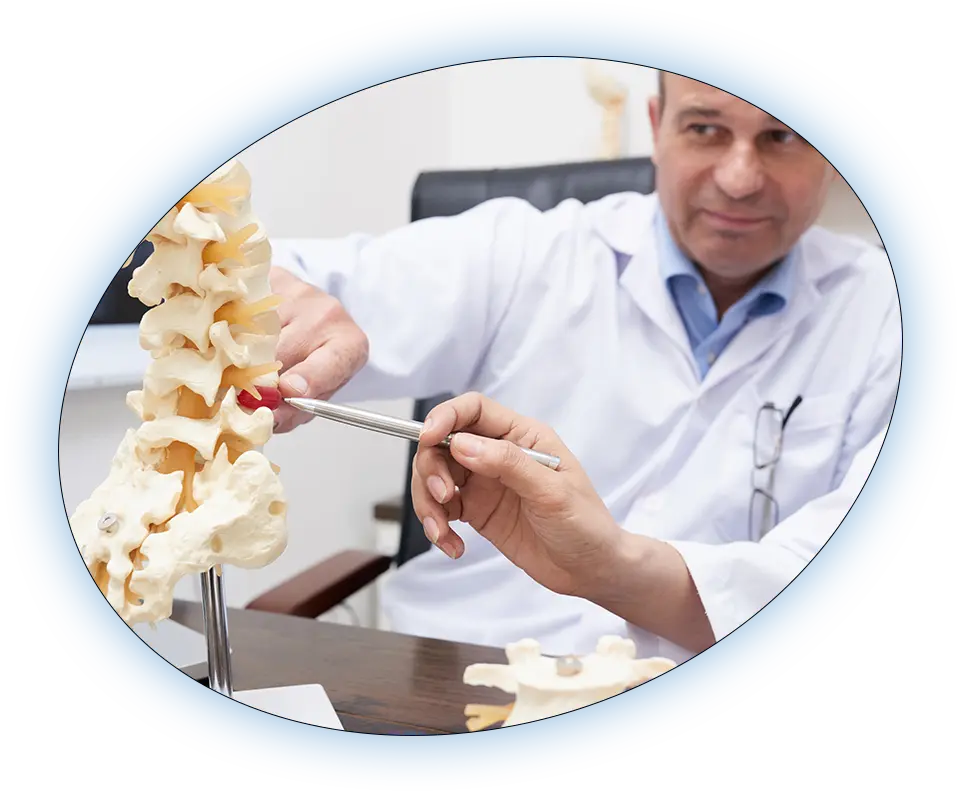
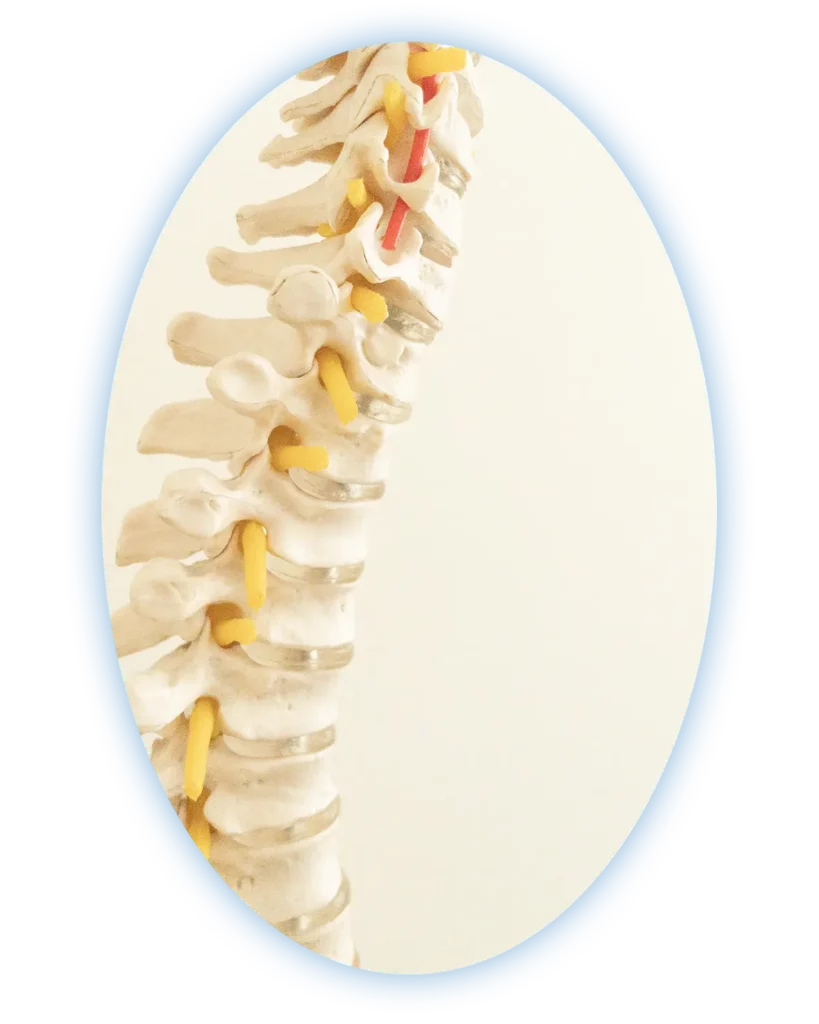
The spine, made up of 24 vertebrae and intervertebral discs, supports the body and allows movement. Discs act as cushions with a tough outer layer and gel-like center. Over time, discs can dry out and weaken, leading to herniation if the inner gel leaks through a tear. This can irritate nerves or the spinal cord, causing pain and other symptoms.
A herniated disc can result from a number of factors, including:



While a herniated disc does not always cause symptoms, the condition can create localized pain if the tear affects the small nerves located in the uppermost layers of the outer wall of the affected disc. Additionally, a variety of uncomfortable symptoms can develop if the disc wall or escaped nucleus pulposus exerts pressure on the spinal cord or a spinal nerve root. For instance, some people experience neck or back pain, radiating pain that travels through an arm or leg, muscle weakness, numbness, or walking difficulties.

Herniated discs most often occur in the cervical and lumbar spine due to their flexibility and weight-bearing roles, unlike the more stable thoracic spine. Symptoms vary by location, often causing local pain or radiating issues if nerves or the spinal cord are compressed, making medical diagnosis essential.