The Lapiplasty procedure is a modern approach designed to correct bunions at their source, restoring natural foot alignment in three dimensions.

Flatfoot, also known as fallen arches or adult acquired flatfoot deformity, occurs when the arch of the foot collapses. This condition can cause pain, swelling along the inside of the ankle, and difficulty walking or standing for long periods. Over time, the deformity may worsen, leading to joint arthritis, tendon damage, and impaired mobility.
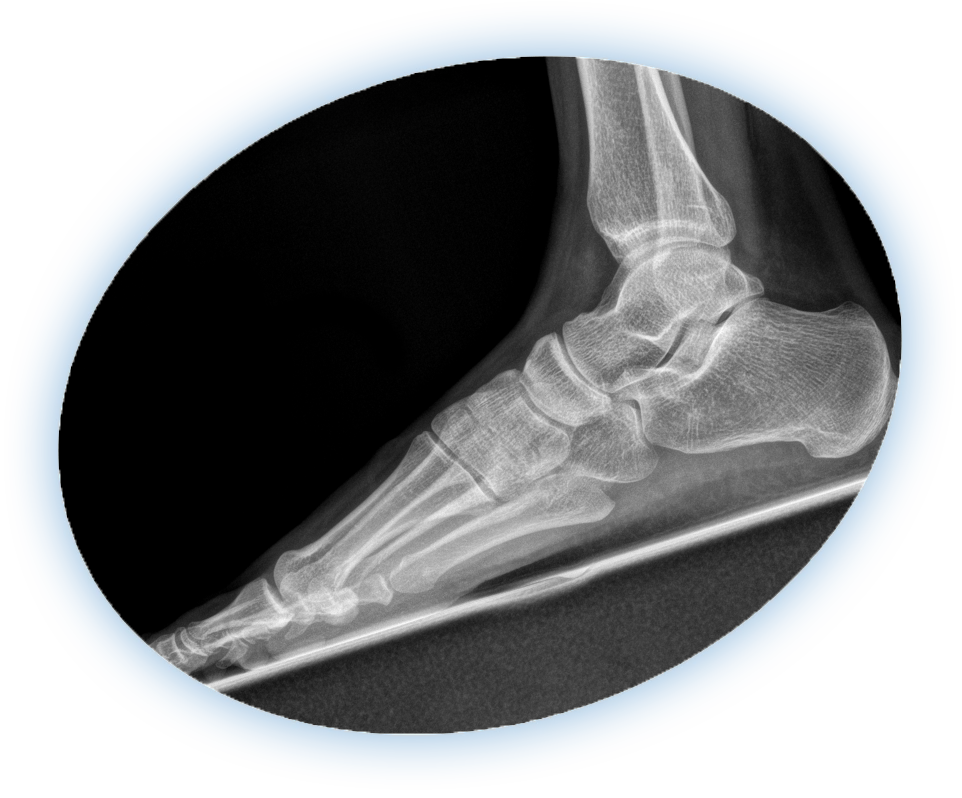
While conservative treatments such as custom orthotics, supportive footwear, and physical therapy can provide relief in early stages, advanced flatfoot often requires surgical correction to restore proper alignment and prevent progression.
Traditional flatfoot surgery involved large incisions and long recovery periods. Today, minimally invasive surgical (MIS) techniques are increasingly used to correct flatfoot with less disruption to soft tissues.
Benefits of minimally invasive flatfoot correction may include:
Flatfoot deformity often involves multiple structures of the foot and ankle. Depending on the severity and specific cause, MIS correction may include:




Because MIS techniques minimize soft-tissue disruption, many patients experience less discomfort and a smoother recovery process. After surgery, patients typically use supportive footwear or bracing and may benefit from physical therapy to restore strength and mobility.
With proper correction, patients can expect improved foot alignment, reduced pain, and greater ability to participate in daily and recreational activities.
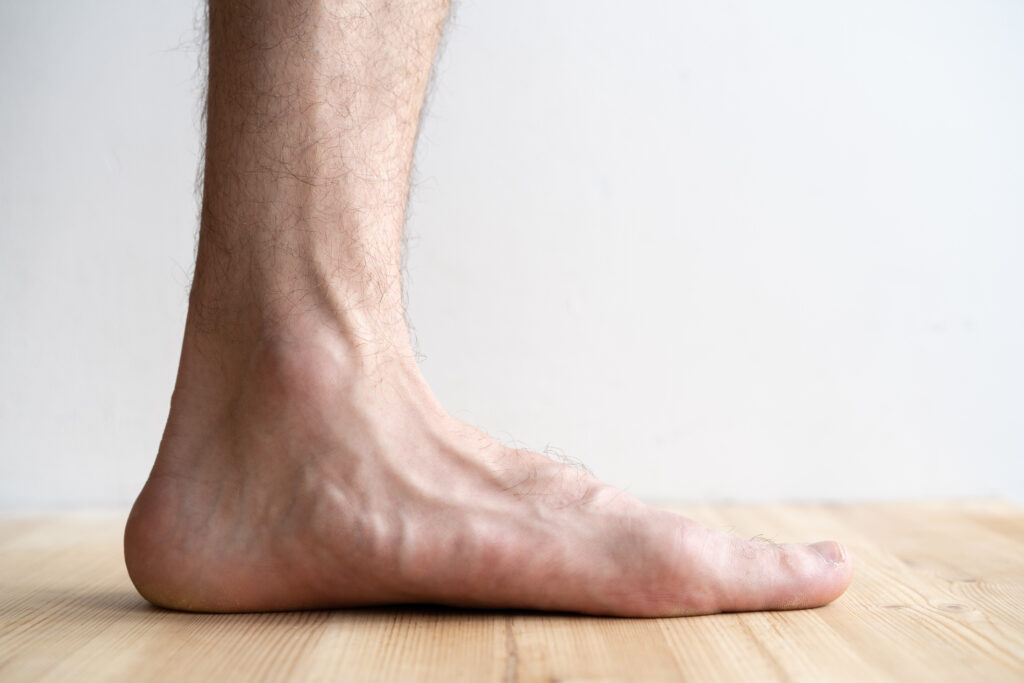
Flatfoot is a progressive condition—what starts as mild arch collapse can lead to significant deformity if untreated. Early evaluation by a foot and ankle specialist can help determine whether conservative treatments are sufficient or if minimally invasive correction is needed.
Disclaimer: This page is for informational purposes only and is not a replacement for a consultation with a licensed physician.