The Lapiplasty procedure is a modern approach designed to correct bunions at their source, restoring natural foot alignment in three dimensions.

Meniscus tears are a common injury to the knee, often caused by twisting or bending the knee forcefully. The meniscus is a crescent-shaped piece of cartilage that acts as a cushion between the thigh bone and the shin bone. It helps to distribute weight evenly across the knee joint and provides stability.
Meniscus tears are typically caused by twisting or bending the knee forcefully, such as during sports or other physical activities. They can also occur due to degeneration of the knee joint with age.
Annular tears are typically classified into one of three categories.






It's important to note that not all meniscus tears will cause all of these symptoms, and some people may have very mild symptoms. A physical examination and imaging tests such as MRI can confirm the diagnosis. It's best to see a licensed physician if you suspect you have a meniscus tear, as prompt treatment can help prevent further injury and promote healing.
Meniscus tears are typically diagnosed through a combination of a physical examination, medical history, and imaging tests.
It's important to note that not all meniscus tears will cause symptoms, and some people may have very mild symptoms.
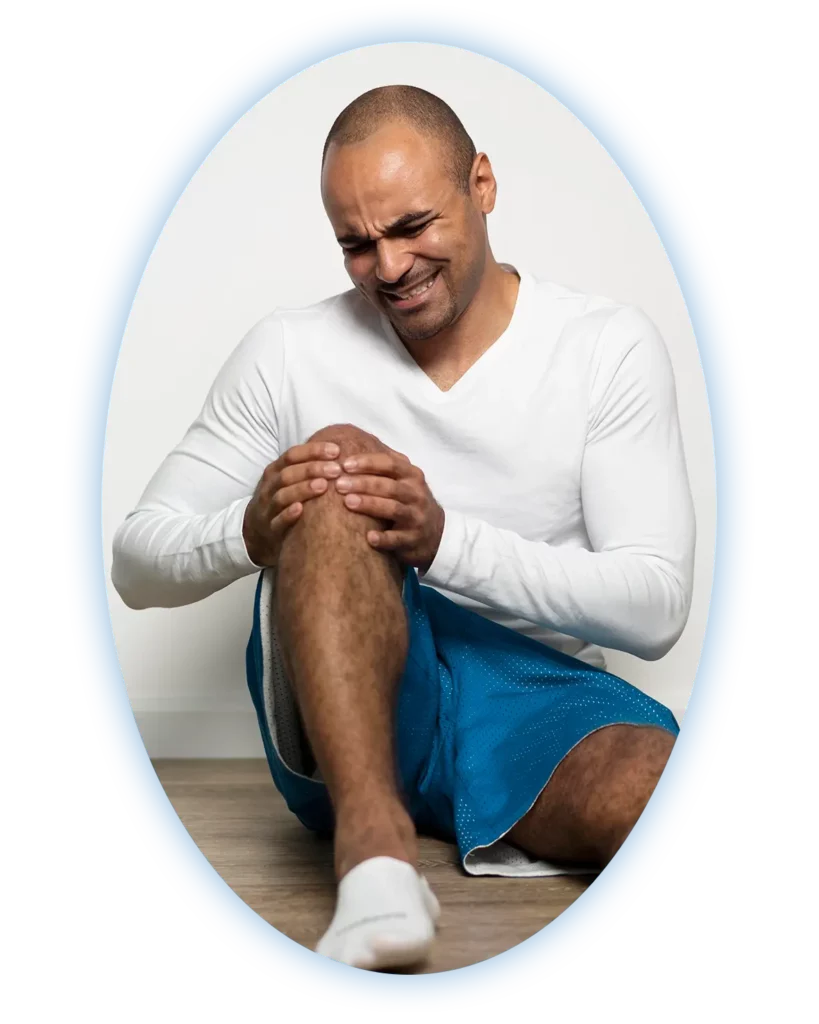
Treatment for a meniscus tear depends on the tear’s size, location, severity, and the patient’s age, health, and activity level. Small or stable tears are often managed conservatively with rest, ice, pain relievers, and physical therapy. Larger or complex tears may require arthroscopic surgery to repair or remove damaged tissue, while open surgery is reserved for severe cases. Rehabilitation through physical therapy is important after surgery to restore knee strength and mobility. Medications like NSAIDs and corticosteroid injections can help reduce pain and inflammation. Not all tears need surgery, and some may heal with proper care, so it’s important to consult a doctor for the best treatment plan.