The Lapiplasty procedure is a modern approach designed to correct bunions at their source, restoring natural foot alignment in three dimensions.

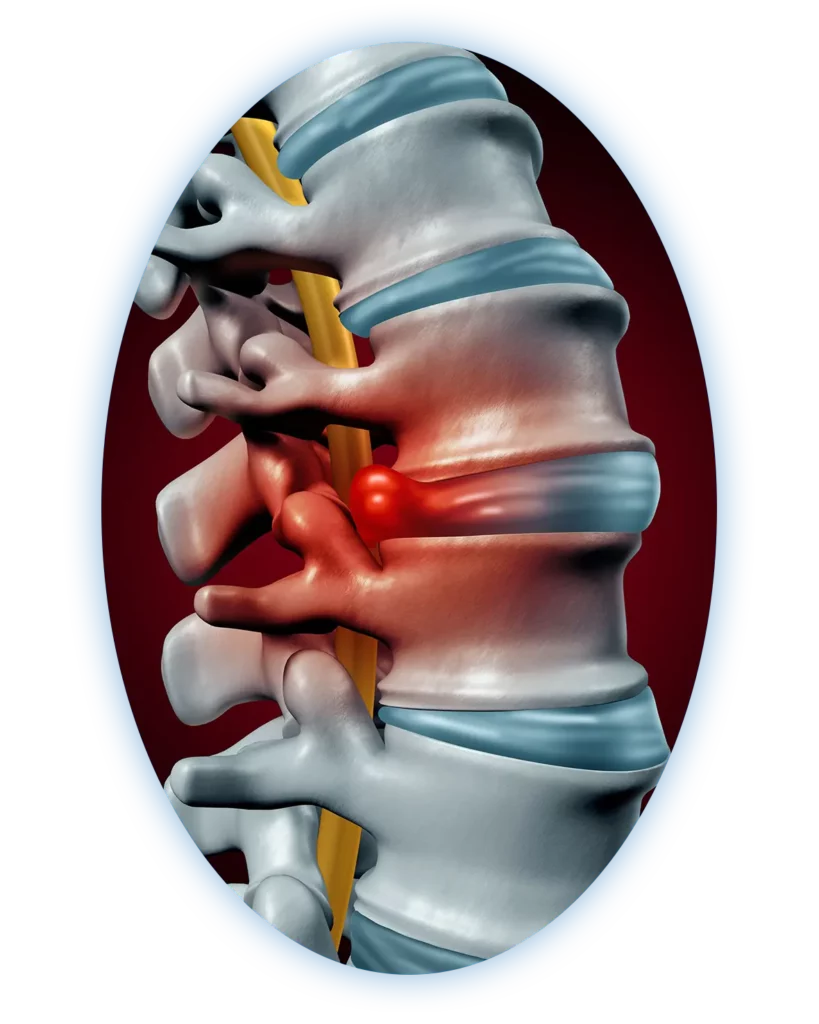
Foraminal stenosis is the narrowing of spinal passageways (foramina), often from degeneration, which can compress nerve roots and cause pain, numbness, tingling, weakness, or spasms.
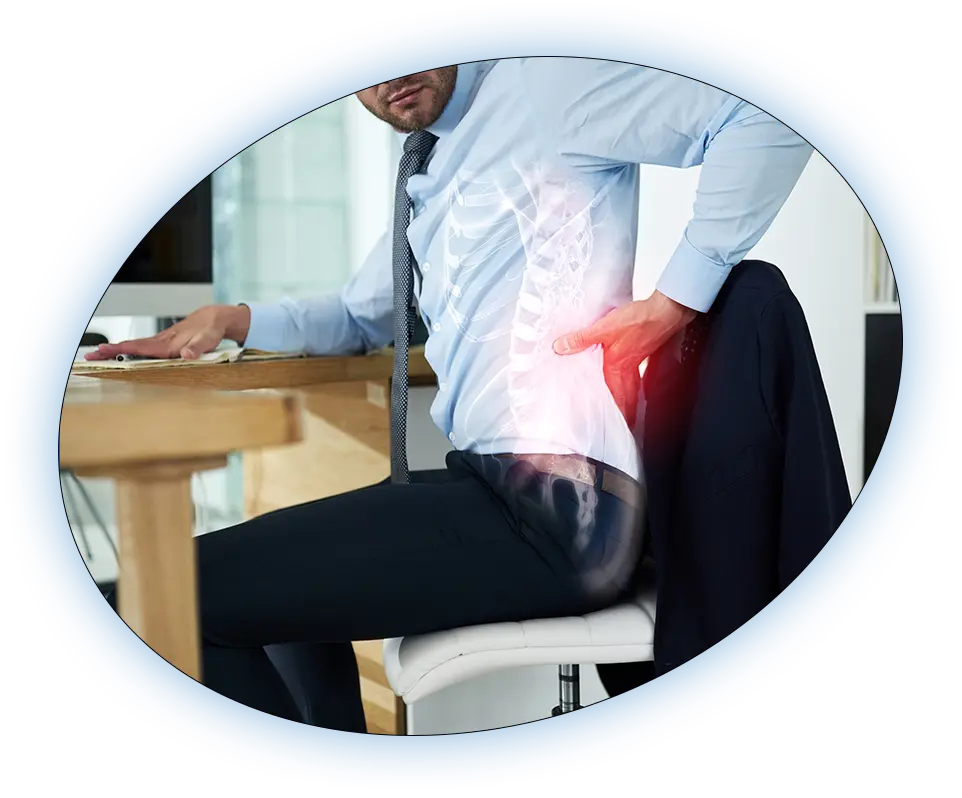
Foraminal stenosis is usually caused by age-related spinal degeneration, such as bone spurs, disc issues, arthritis, or thickened ligaments.
Injuries, repetitive motion, or excess weight can accelerate this, further narrowing the space for nerve roots.”
Though rare, severe spinal degeneration can cause emergency symptoms like incontinence, extreme leg pain, or weakness—signs of cauda equina syndrome requiring urgent care.
Foraminal stenosis symptoms depend on location, with cervical issues affecting the neck, shoulders, and arms, and lumbar compression causing lower back, hip, leg, or foot symptoms. Sciatic nerve compression can lead to sciatica—radiating pain, tingling, numbness, or weakness down the leg.




Foraminal stenosis is the narrowing of spinal passageways (foramina), often from degeneration, which can compress nerve roots and cause pain, numbness, tingling, weakness, or spasms.
However, if several weeks or months of nonsurgical treatments proves ineffective in providing you with relief, you may need surgery. We offer minimally invasive spine surgery to help treat the symptoms of foraminal stenosis. Unlike traditional open-back surgery, our procedures relieve nerve compression through a smaller, muscle-sparing incision. The result is a shorter recovery and a lower risk of complications. Our minimally invasive spine surgery has helped patients find relief from chronic neck or back pain and we are confident that we can help you on the road to recovery.